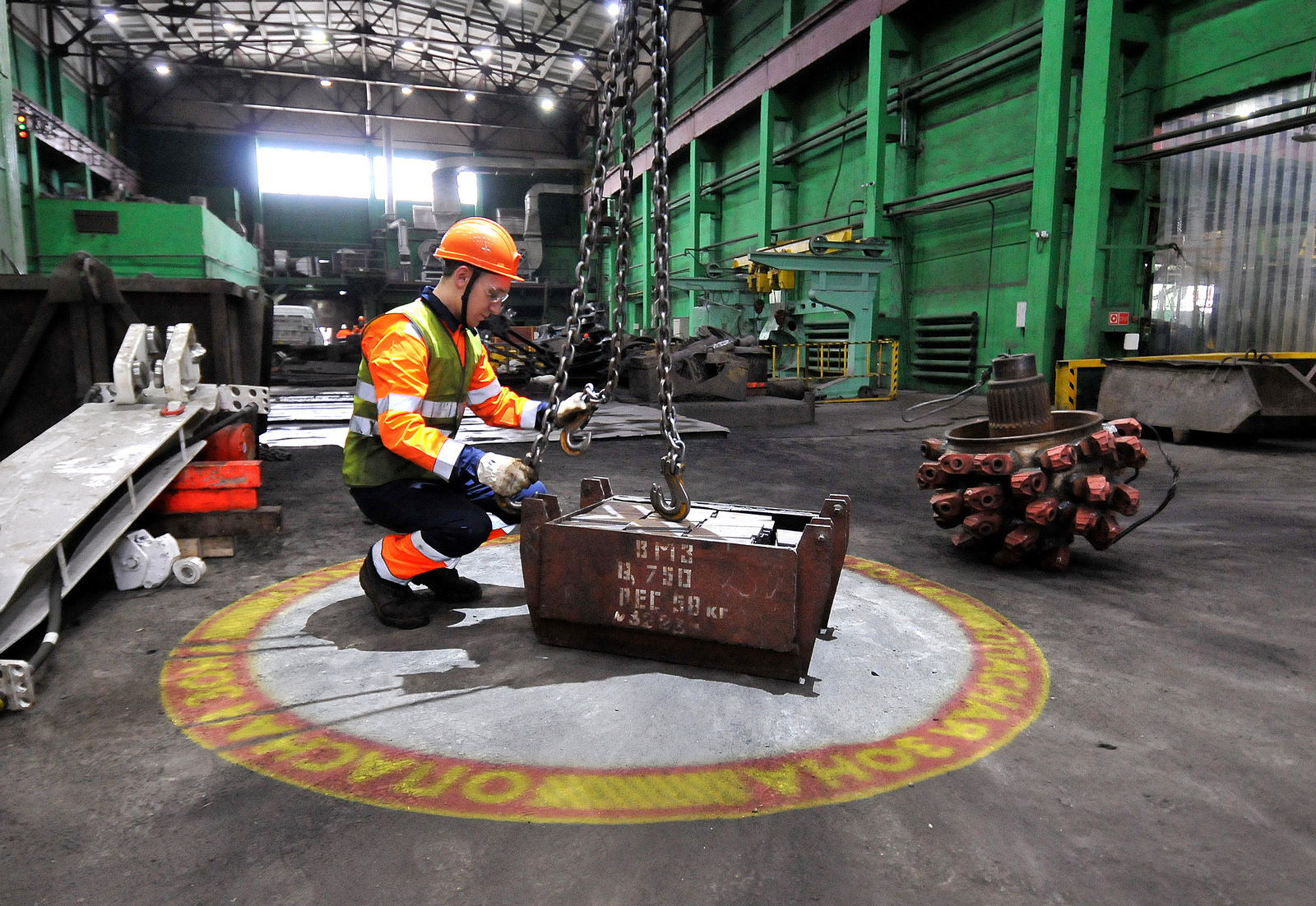
The total cost of ownership of projected warehouse marking is the full cost of buying, installing, operating, maintaining and changing the system over a defined period. Projection may reduce recurring floor-marking repairs in high-traffic or frequently changing areas, but it introduces equipment, electricity, access and technical maintenance costs. It is not automatically cheaper than paint or tape in every location.
A useful comparison applies the same time horizon and scope to each option. Include surface preparation, installation labor, aisle closures, replacement cycles, cleaning, lift access, energy, spare parts and layout changes. Then evaluate whether each method meets the required visibility and compliance role. The projected light demarcation overview describes the system components that should appear in a projection budget.
Define the comparison before collecting prices
TCO calculations become misleading when unlike scopes are compared. A projector price is not an installed system price, while a roll of tape is not a maintained floor-marking program. Define the number and size of signs or boundaries, operating hours, study period, installation standard and required availability.
Use the same questions for each option:
- What exact message, line or zone must be provided?
- How many locations are included?
- What preparation and access are required?
- How often is repair or replacement expected under local traffic?
- What operational interruption is needed?
- How will layout changes be handled?
- What happens when the control is unavailable?
- Does the option satisfy the site’s legal and safety requirements?
Do not assign a generic service life without evidence from the facility or supplier for the relevant conditions. Paint performance varies with substrate preparation and traffic. Tape performance varies with surface and mechanical abuse. Projection performance depends on equipment, operating hours, environment and maintenance.
Include every projected-marking cost category
The projection budget begins with equipment but should not end there. The standard package generally includes remote assessment from photographs and dimensions, optical and power calculation, projector, one gobo slide, mounting bracket and standard instruction. This creates a clear equipment baseline.
Additional cost categories may include:
- engineering installation plan and site documentation;
- structural review or custom mounting hardware;
- electrical circuit, controls and cable containment;
- sensor or equipment connection and commissioning;
- installation labor, lift rental and traffic management;
- travel and consumables;
- electricity during scheduled operating hours;
- inspection, cleaning and safe access;
- replacement gobos, parts or complete equipment as applicable;
- re-aiming, relocation or re-engineering after layout changes;
- temporary fallback controls during faults.
Engineering, integration, installation, travel and consumables are separately quoted because site conditions differ. Making them visible produces a more credible comparison than assuming that every warehouse can use the same installation allowance.
Calculate the full cost of paint and tape
Physical markings also have hidden lifecycle costs. For paint, include removal or treatment of old markings, cleaning, grinding or other surface preparation, masking, materials, labor, curing time, ventilation controls where relevant and disposal. Repainting may require an aisle or process area to be closed more than once.
For tape and floor decals, include surface preparation, installation labor, damaged-section replacement, adhesive residue removal, inventory of spare material and the time spent inspecting lifting edges. A low unit price can still create substantial maintenance work if forklifts, pallets or scrubbers repeatedly damage the same location.
Downtime deserves separate treatment. Estimate the actual operational effect rather than inserting an unsupported headline figure. One facility may repaint during a planned shutdown at little incremental cost; another may need temporary routes, overtime or production interruption. The same applies to projector installation: overhead work and electrical isolation can affect operations even though the floor requires no curing.
The aim is not to make one option look expensive. It is to show when costs occur, who bears them and which assumptions drive the result.
Model energy, maintenance and replacement transparently
Use a simple annual energy calculation: equipment power multiplied by operating hours and local electricity price, adjusted for the number of units. If the marking only needs to operate during a shift, model that schedule rather than assuming continuous operation. Any timer, sensor or control system has its own purchase and maintenance cost.
For maintenance, estimate:
- routine visual checks;
- planned technical inspections;
- cleaning frequency;
- lift or scaffold access;
- alignment corrections;
- gobo changes;
- electrical troubleshooting;
- allowance for parts or replacement equipment.
Separate expected costs from risk allowances. A known annual cleaning visit is different from a possible equipment failure. State the assumed service period and test the model with shorter and longer scenarios instead of presenting one forecast as guaranteed.
For physical markings, model replacement frequency in the same way. Use local maintenance records where available. If records do not exist, begin a baseline inspection or use a range. A sensitivity analysis often shows that traffic damage, access cost and layout-change frequency matter more than the original material price.
Value flexibility without turning it into a promise
Projection can have an economic advantage when layouts change. A suitable system may be re-aimed, relocated or fitted with a different gobo rather than requiring old paint to be removed and a new graphic applied. This can reduce reconfiguration work, especially in leased or frequently reorganized space.
However, change is not free. A new location may have a different mounting height, image size, ambient light, surface or power route. It may need a different optical configuration or projector. Relocation can require lift access, electrical work, new brackets and recommissioning. A changed safety message also requires approval and workforce communication.
Model flexibility through scenarios:
- Stable layout: no planned moves; compare routine ownership cost.
- Periodic reconfiguration: include one or more approved changes during the study period.
- High-change operation: include repeated engineering, access and commissioning work.
Projection is most financially compelling where it solves a costly recurring problem. In a low-traffic corner where tape lasts for years, the lower initial-cost method may remain appropriate.
FAQ
Is projected floor marking always cheaper than paint?
No. The result depends on equipment count, installation, operating hours, access, energy, maintenance, physical-marking replacement frequency and layout changes.
What study period should a TCO model use?
Use a period relevant to the facility’s budget and expected layout. Show more than one scenario if equipment life or reconfiguration timing is uncertain.
Should safety benefits be converted into financial savings?
Only with defensible facility data and an agreed method. Do not invent avoided-incident savings. First confirm that each option meets the required safety function.
What is excluded from the standard package?
An engineering installation plan, sensor or equipment connection, installation, travel and consumables are quoted separately. Site-specific electrical, access or structural work should also be identified.
Build a site-specific ownership model
The strongest TCO case is transparent enough for finance, operations, maintenance and safety teams to challenge. List every assumption, show the timing of costs, use ranges where evidence is limited and keep compliance decisions separate from cost preferences. The cheapest method is not acceptable if it cannot perform the required communication role.
Start with location counts, photos, dimensions, desired image sizes, operating hours, lighting conditions and floor characteristics. Review the projected marking package and selection factors. Then request a project assessment and quotation so the equipment scope and separately quoted engineering, integration and installation items can be entered into a realistic ownership model.